

Which One Should You Choose? Metal-Ceramic vs. All-Ceramic, Zirconia, and Emax
Dental crowns are a widely used restorative solution to protect damaged teeth and improve smile aesthetics. They help restore tooth shape, strength, and function while enhancing overall appearance. However, many patients feel confused when faced with multiple crown options available today.
A common question is:
“Which type of dental crown should I choose? What is the difference between metal-ceramic, all-ceramic, Zirconia, and Emax crowns?”
This article provides a clear and structured comparison to help you understand each option and make the most suitable choice for your dental needs.
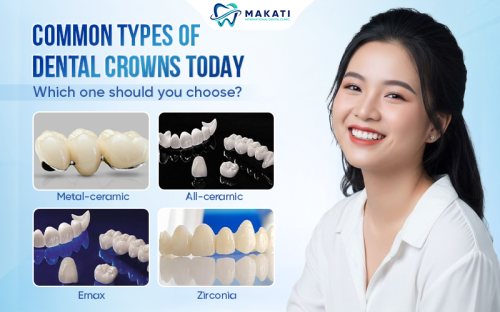
Common types of dental crowns today
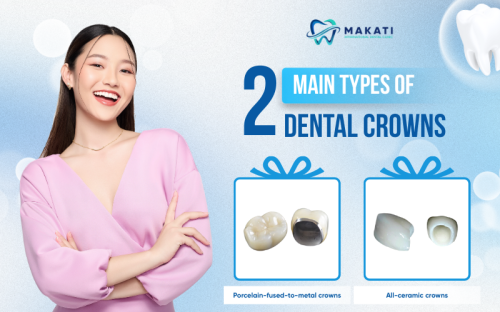
Dental crowns are generally classified into two main categories based on their structure and materials. Each category offers different advantages in terms of strength, aesthetics, and long-term performance. Understanding this basic classification helps patients narrow down their options more easily.
The two main categories include:
- Metal-ceramic crowns
- All-ceramic crowns
While metal-ceramic crowns combine strength with affordability, all-ceramic crowns focus more on aesthetics and biocompatibility.
Why choosing the right dental crown matters
Selecting the appropriate dental crown is an important decision that can affect both appearance and oral health. Choosing the wrong type of crown may lead to unsatisfactory aesthetic outcomes or reduced longevity. In some cases, improper crown selection can even cause gum or bite-related issues over time.
Common problems associated with an unsuitable crown choice include:
- Unnatural or mismatched tooth color
- Dark gum margins appearing over time
- Reduced durability under chewing force
- Poor long-term performance or frequent repairs
Comparison of 4 popular dental crown types
1. Metal-ceramic crowns
Structure:
- Metal core with a ceramic outer layer
Pros:
- Affordable
- Good strength
Cons:
- Possible dark gum line over time
- Less natural appearance
Best for:
- Back teeth
- Budget-conscious patients
2. All-ceramic crowns
Structure:
- 100% ceramic material
Pros:
- Natural tooth-like appearance
- No metal, no gum discoloration
- Biocompatible
Cons:
- Higher cost than metal-ceramic crowns
Best for:
- Front teeth
- Aesthetic-focused patients
3. Zirconia crowns
Structure:
- Made from zirconium oxide ceramic
Pros:
- Exceptional strength and durability
- Good aesthetics
- Long lifespan
Cons:
- Higher cost
Best for:
- Both front and back teeth
- Patients needing strength and aesthetics
4. Emax crowns
Structure:
- Made from lithium disilicate ceramic
Pros:
- Superior translucency and natural color
- Excellent aesthetics
Cons:
- Less strong than Zirconia
- Higher cost
Best for:
- Front teeth
- High-aesthetic cases
Which dental crown is best for you?
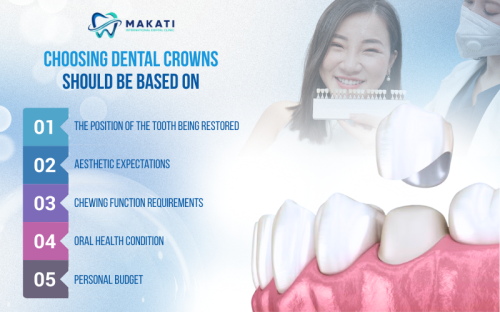
There is no one-size-fits-all solution when it comes to dental crowns. The most suitable option depends on several individual factors related to both function and appearance. A personalized assessment is essential to achieve the best results.
Key factors to consider include:
- Tooth position
- Aesthetic expectations
- Chewing force
- Oral condition
- Budget
A dental professional will evaluate these factors and recommend the crown type that best fits your specific needs.
Final thoughts
Each type of dental crown has its own strengths, limitations, and ideal clinical indications. Understanding the differences between metal-ceramic, all-ceramic, Zirconia, and Emax crowns helps patients make informed and confident decisions based on both function and aesthetics. Choosing a reputable dental clinic and an experienced dentist is essential to ensure durable, natural-looking results and long-term oral health.